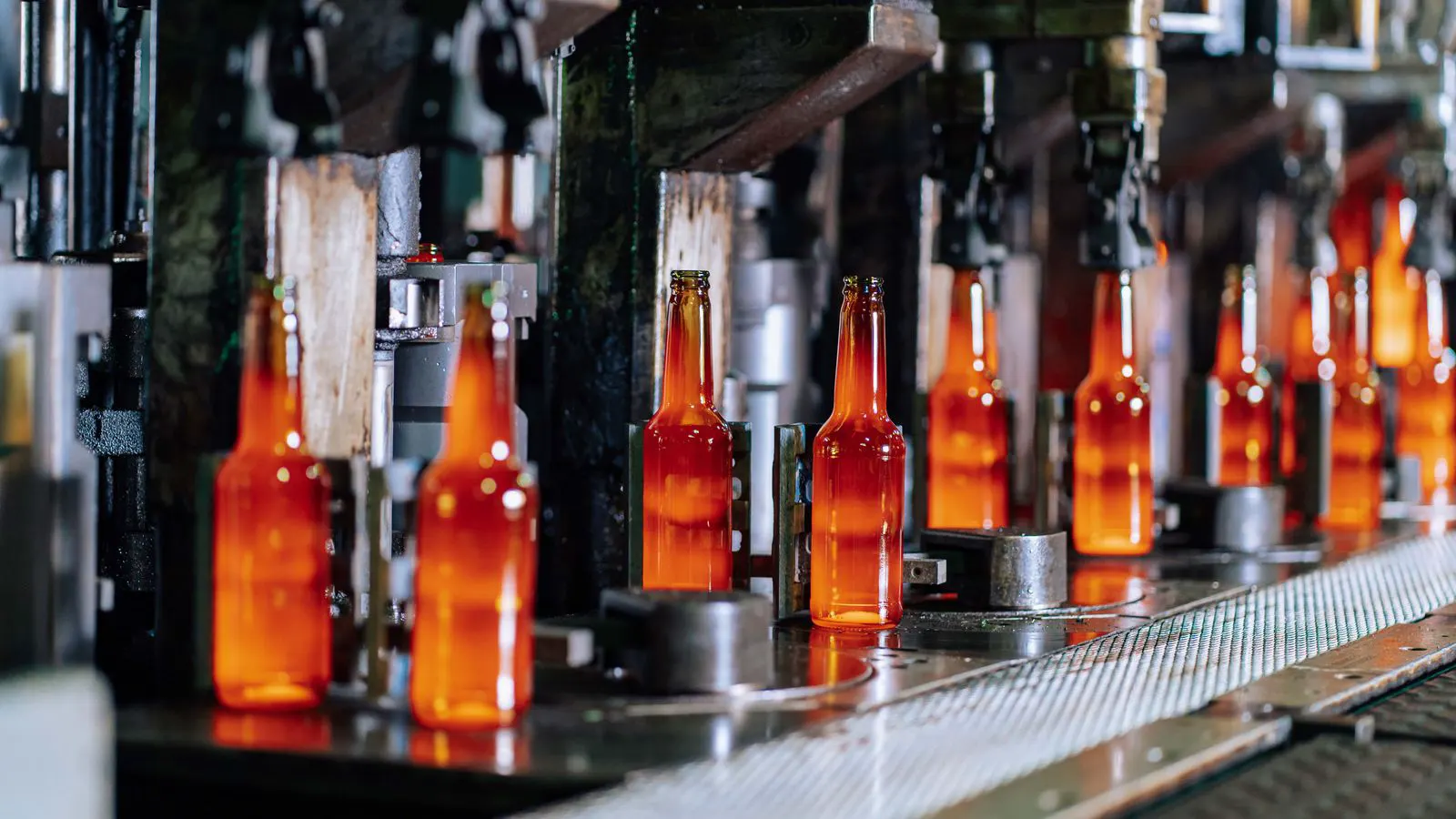
Glass Bottles
Exploring Glass Bottle Material Types for Packaging
Glass bottle material selection depends on chemical composition. Soda lime glass suits mass market beverage packaging due to cost and color options. Borosilicate glass
Technical specifications for bottle and container procurement.
Buyers decide on bottle and container specifications based on material grade, closure fit, and compliance requirements. This site covers the technical choices that affect production run costs, shelf life, and regulatory approval.
Content is organized by product type and procurement stage. It covers glass bottles, PET, jars, and closures. It also addresses materials, decoration, cost structures, and supplier evaluation criteria.
Start with the stage of the sourcing process you are in.
Explore types, strengths, and uses of glass bottles for packaging, including design options and material properties.
Learn about plastic and PET bottles, their applications, strengths, and how they compare with other container materials.
Find details on jars and closures, including materials, sealing options, and how to match them to your packaging needs.
Understand materials, safety, and regulatory requirements for bottles and containers used in food, beverage, and other sectors.
Discover customization and decoration options, such as labeling, printing, and finishing techniques for bottles and jars.
Get practical guidance on cost factors and minimum order quantities when sourcing bottles and containers from suppliers.
Learn how to evaluate suppliers for bottles and containers, including quality, reliability, and key questions to ask before ordering.
Glass bottle material selection depends on chemical composition. Soda lime glass suits mass market beverage packaging due to cost and color options. Borosilicate glass
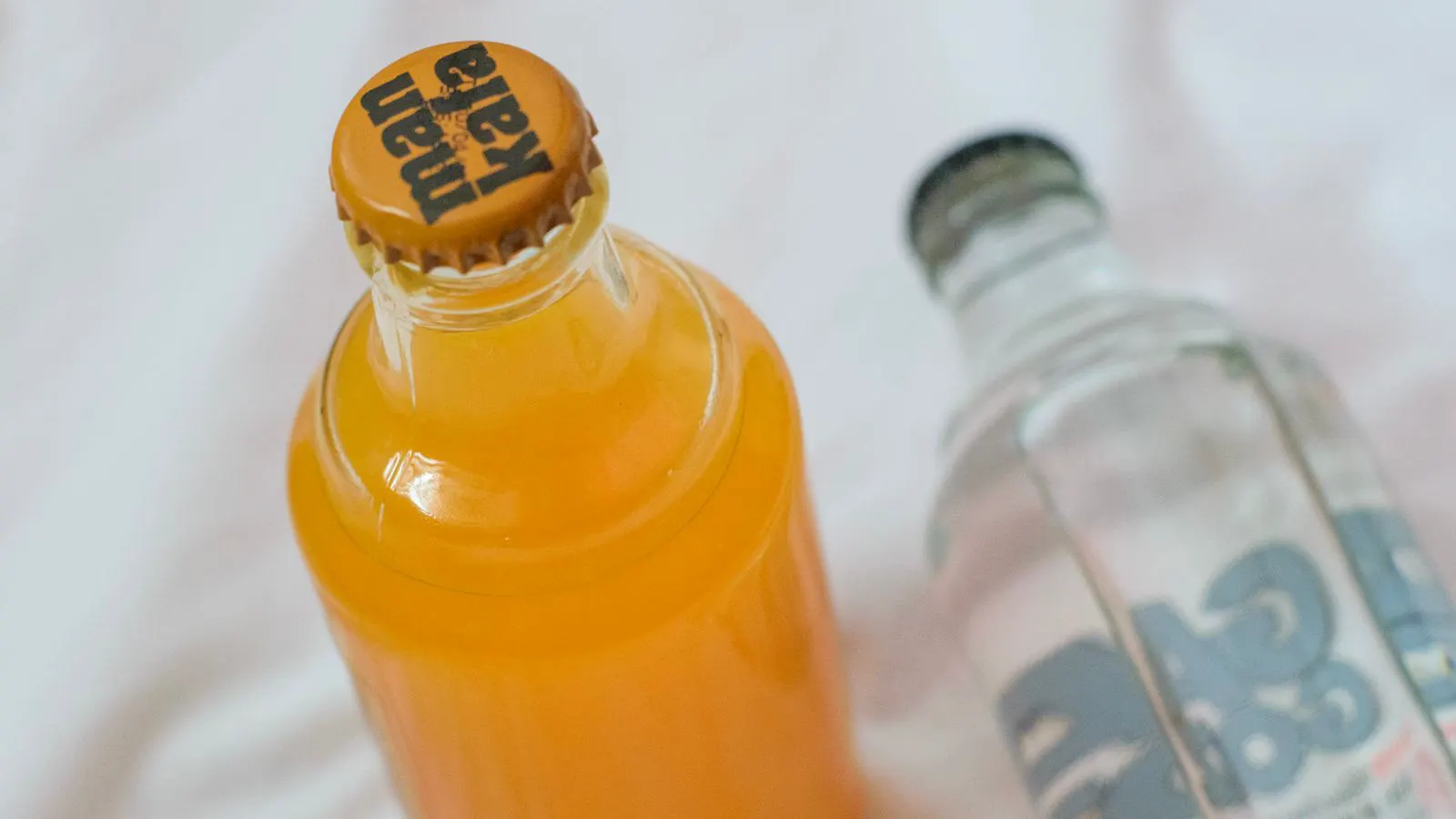
Glass offers superior barrier protection and infinite recyclability but adds weight and shatter risk. PET provides lightweight flexibility and lower transport costs but
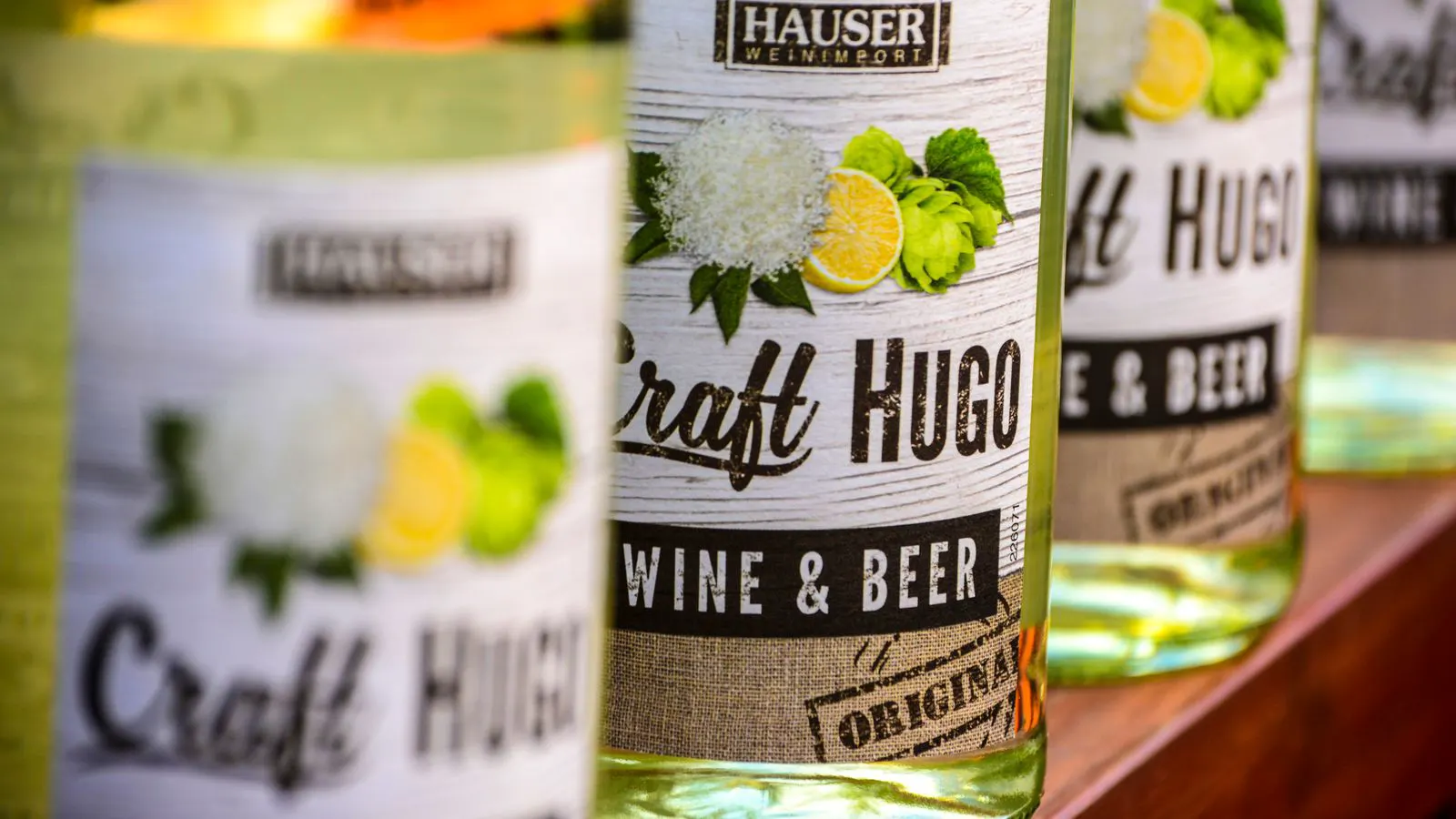
The right label stock depends on your bottle surface, desired finish, and how the bottle will be handled. This guide explains how to match paper, film, or synthetic
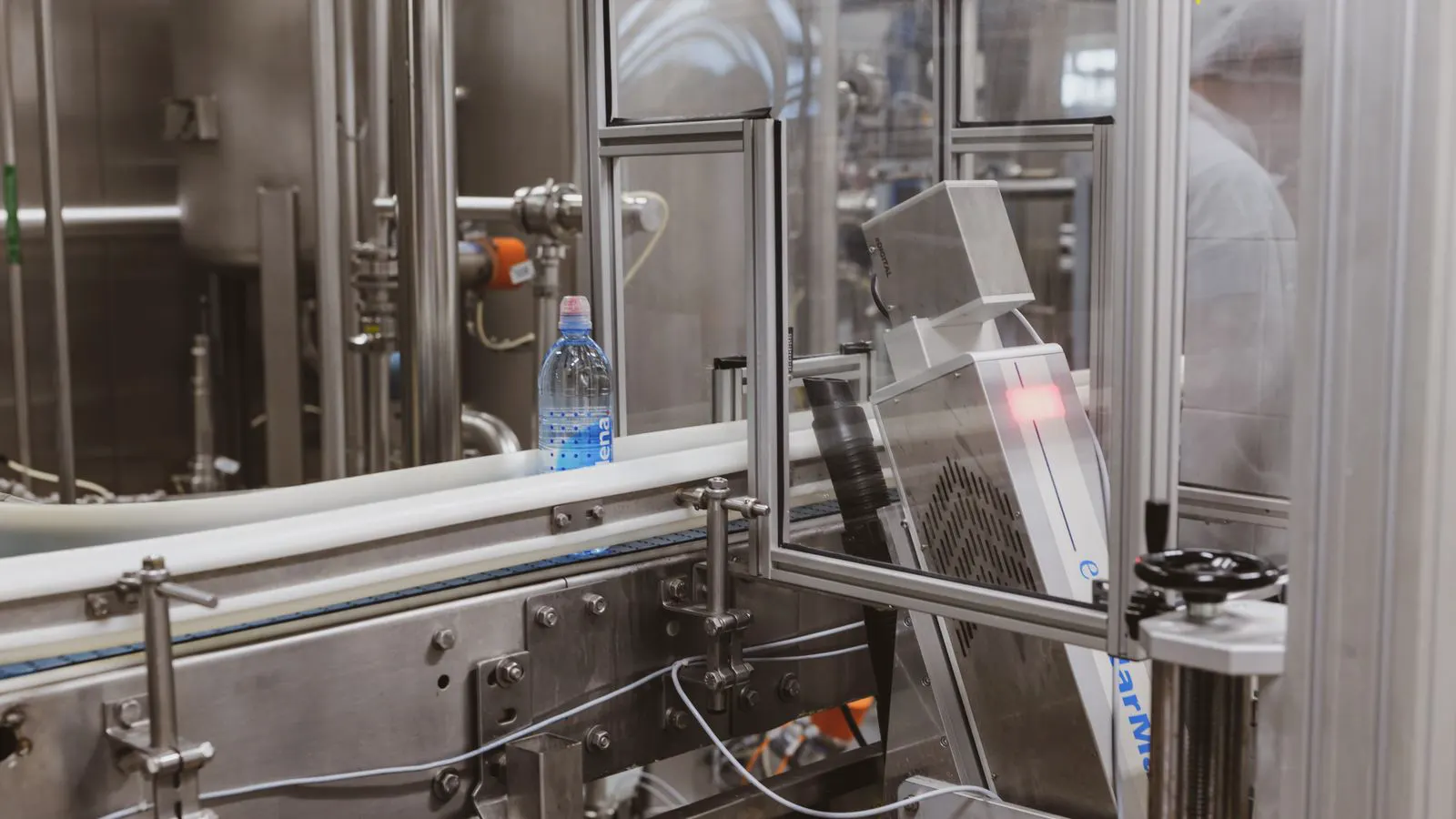
PET bottles serve beverages, food, personal care, and chemicals. Their clarity, barrier properties, and recyclability make them suitable for many applications. Sourcing
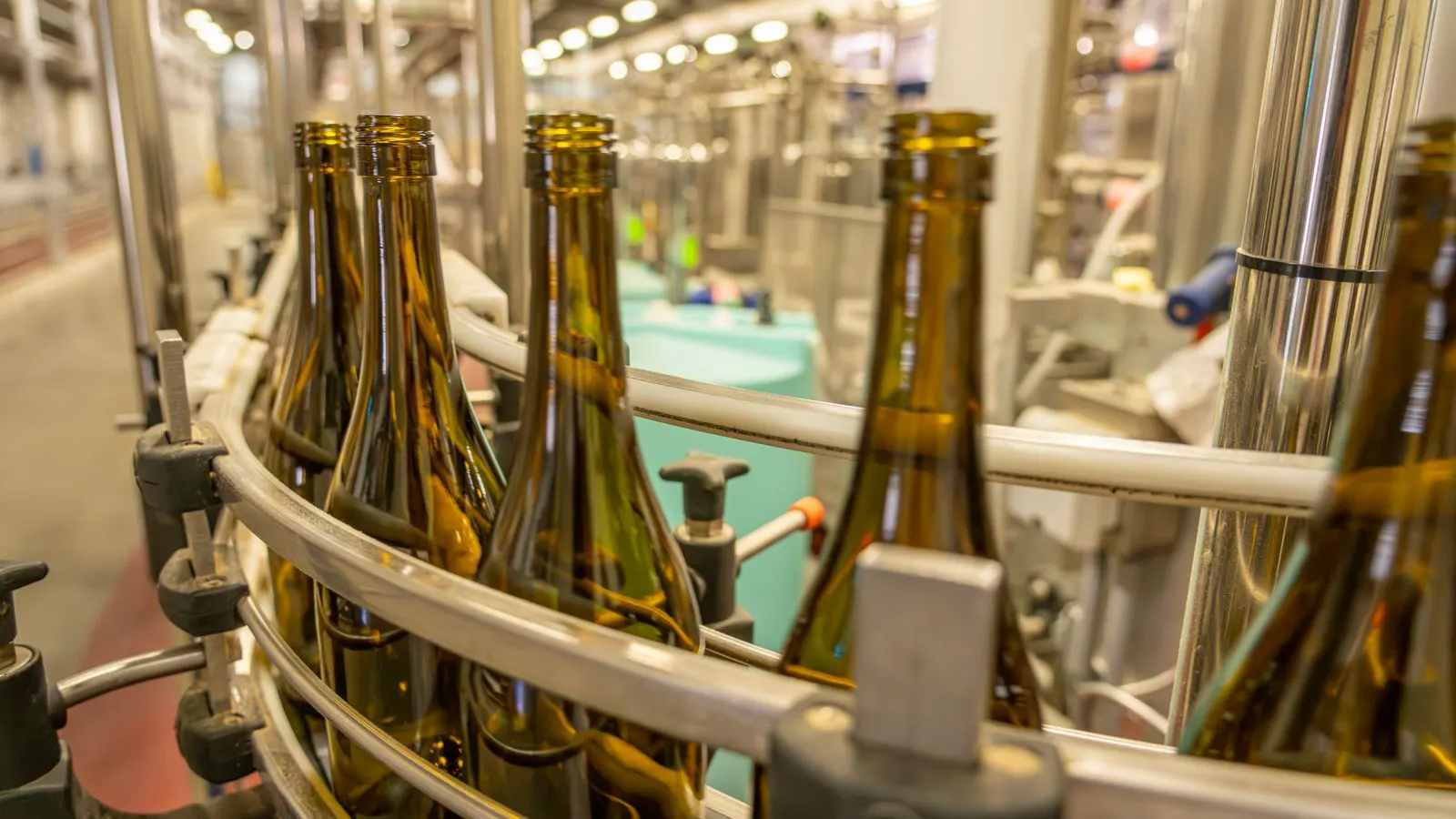
Bottle cost factors depend on design efficiency, material selection, and order size. Optimizing weight, wall thickness, and material type directly impacts supplier
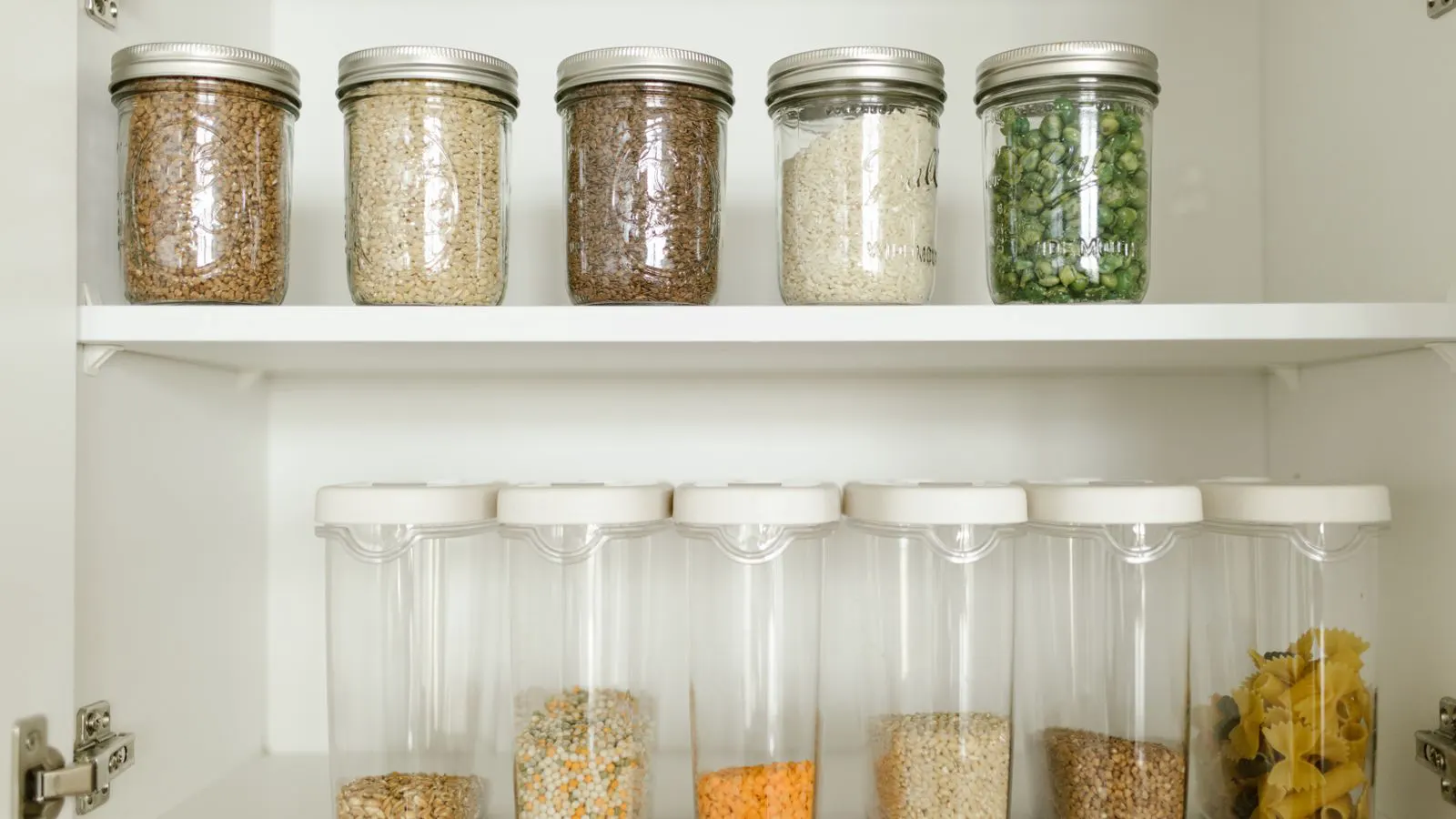
Glass jars cost more upfront but last longer and support premium branding. Plastic jars cost less and ship faster, though lead times vary by supplier. Compare both
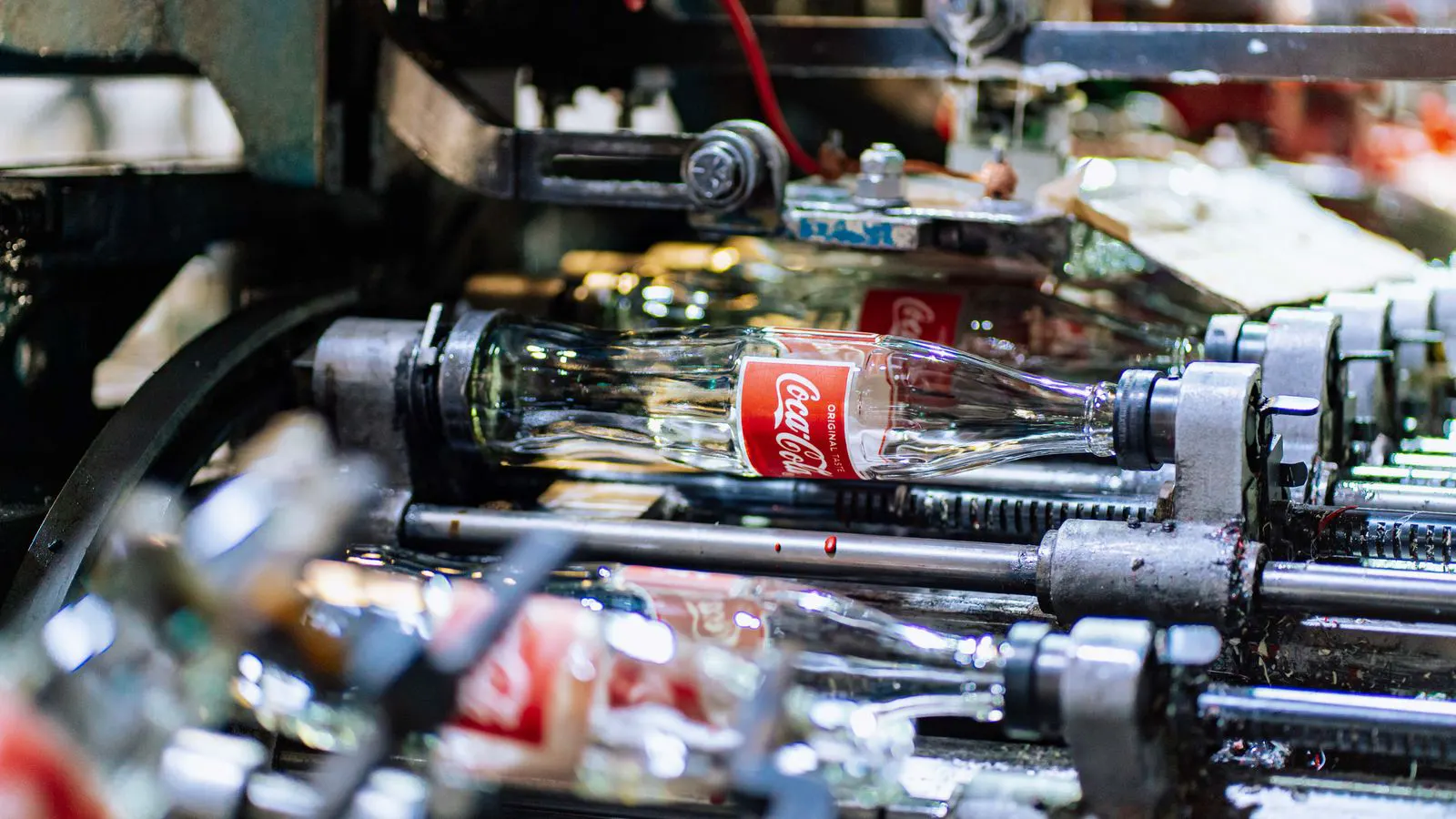
To verify supplier certifications for glass, request the original document, validate the issuing body, and confirm the certificate covers your specific bottle type and
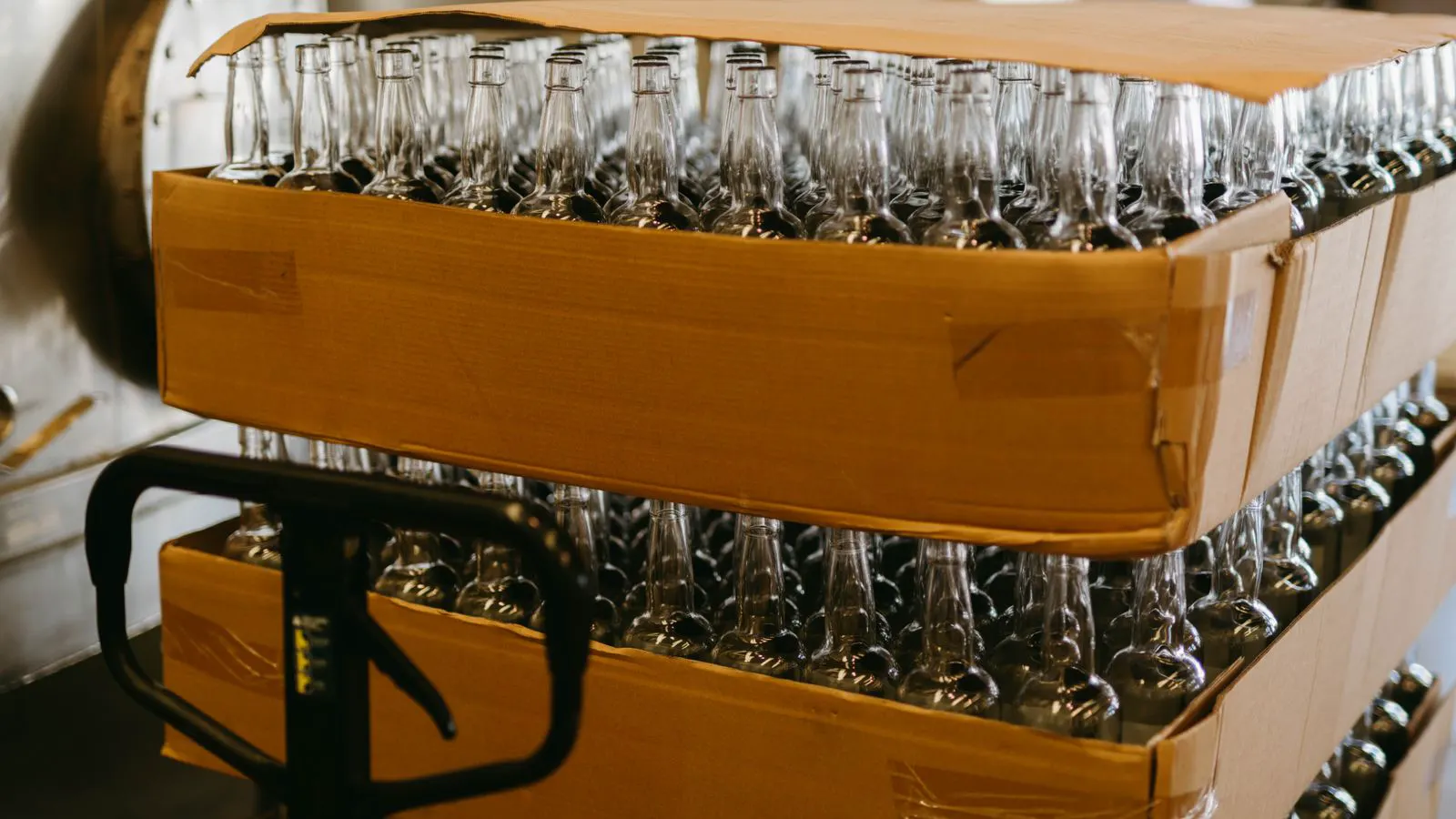
Proper glass bottle sizing requires measuring neck dimensions, base geometry, and height to match filling nozzles, capping heads, and conveyor infeed. Verify
PET is virgin polyethylene terephthalate. rPET is recycled PET made from post-consumer or post-industrial waste. rPET often requires stricter food-grade testing and may have different clarity and strength characteristics than virgin PET.
Specify both the filled weight (including liquid) and the empty bottle weight. Also define the neck finish diameter and thread type to ensure closure compatibility. Tolerance ranges for weight are typically requested in the technical data sheet.
Request a material certificate of analysis (CoA), food contact compliance documentation, and test reports for specific properties like drop height, pressure resistance, and color fastness. For imported goods, check if a certificate of origin is required.
Minimum Order Quantity (MOQ) is the smallest batch size a supplier will produce. Custom molds or specific colors often raise the MOQ. Unit cost generally decreases as order volume increases above the initial MOQ due to fixed tooling costs being spread over more units.
Define the jar mouth diameter and thread standard (e.g., 32mm, 38mm). Request a physical sample of the jar and lid together to check torque, seal integrity, and stackability. Verify if the lid requires a separate liner or is a single-piece plastic closure.
Common issues include color mismatch between the screen print and the physical bottle, ink adhesion failure, or damage during filling and labeling. Always require a pre-production sample for decoration approval and specify the exact Pantone color code if applicable.