Glass jars cost more upfront but last longer and support premium branding. Plastic jars cost less and ship faster, though lead times vary by supplier. Compare both factors before choosing cost effective jar materials for your project.
- Glass jars carry higher material and tooling costs, but plastic jars reduce per-unit expense and shipping weight.
- Jar packaging lead time depends on mold complexity, finish quality, and supplier capacity.
- Cost effective jar materials depend on your volume, shipping distance, and brand positioning.
- Write a clear RFQ that lists dimensions, cap type, quantity, and target delivery date to compare quotes fairly.
- Always calculate total landed cost, not just the jar unit price, when deciding between glass and plastic.
What Drives the Price of Glass Jars
Glass jars start with raw silica sand and cullet, then move through melting, molding, and finishing. The cost of glass jars depends heavily on shape, wall thickness, and surface treatment. A simple cylindrical jar with a smooth finish is cheaper than a faceted or textured jar that needs additional polishing steps.
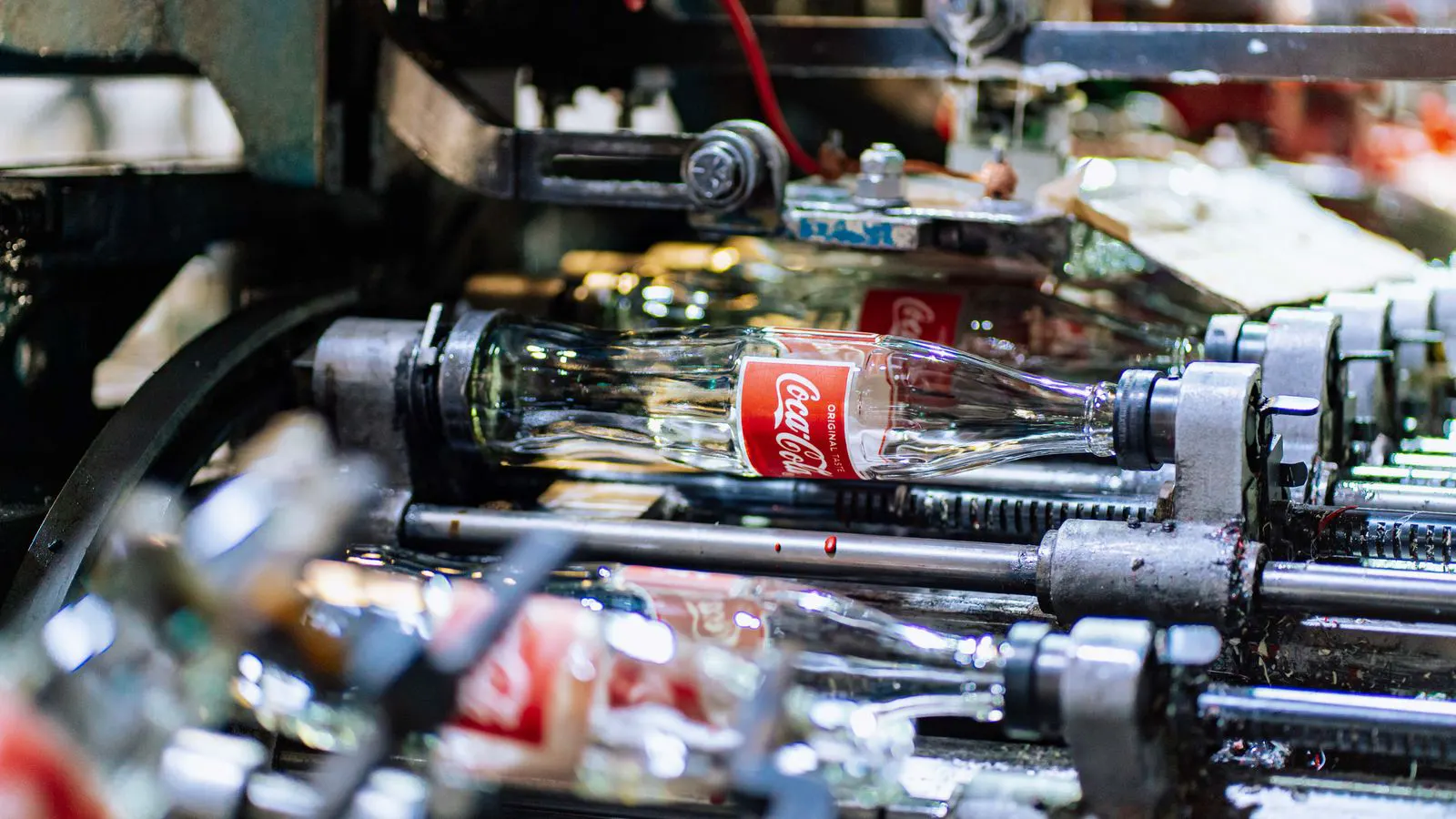
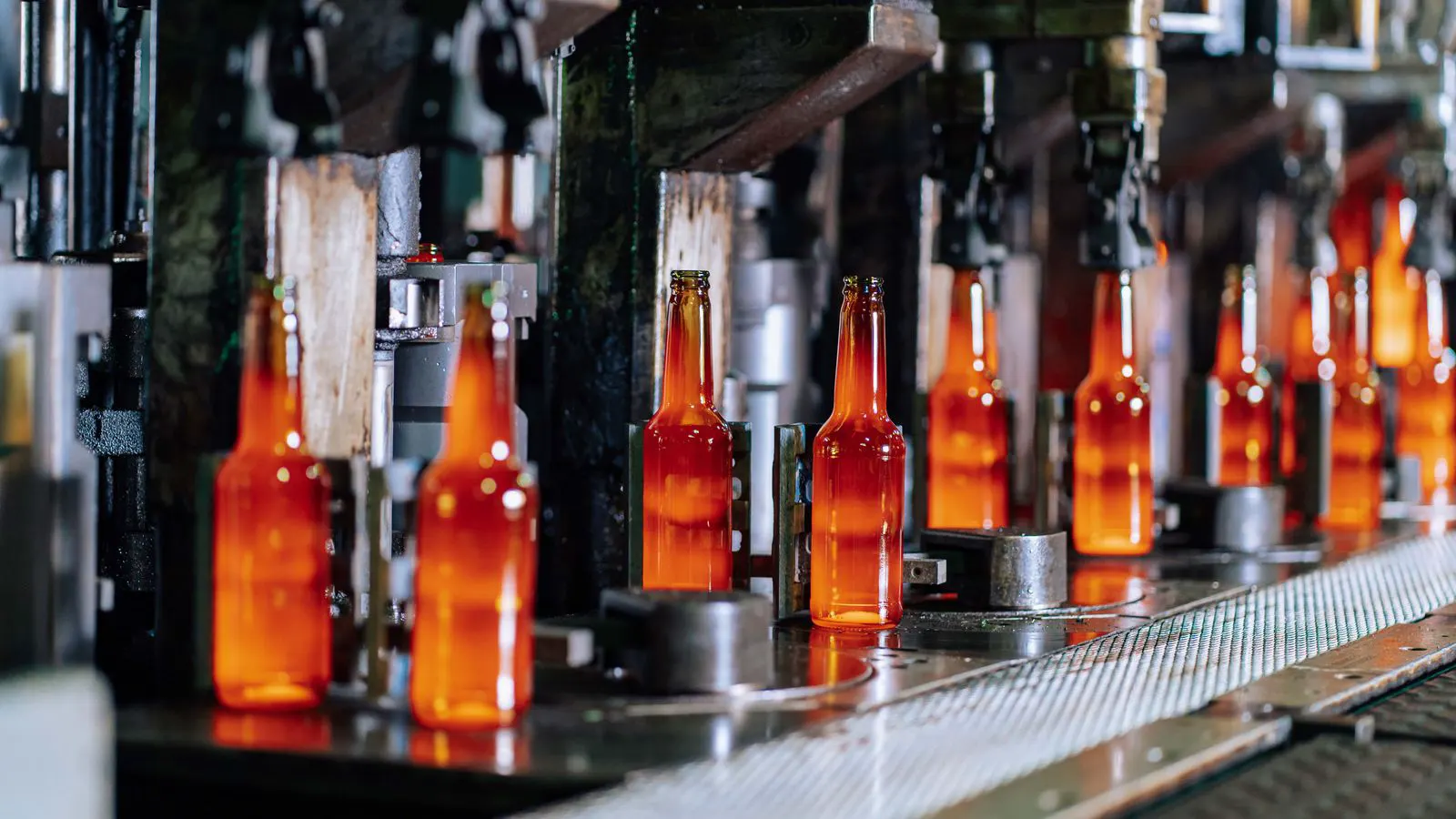
Mold life matters. Glass molds are made of durable materials, and each jar passes through a hot furnace. The heat cycle is slow. A plastic jar cools in seconds. That time difference adds labor and energy costs to the glass side.
Surface finish also changes the price. A glass jar that needs etching, painting, or a color coating costs more than a plain jar. If you want a frosted finish, ask the supplier whether they include the coating in the quote or charge it separately.
Glass jars are heavier. Shipping a pallet of glass jars costs more than shipping the same quantity of plastic jars. If your final destination is far from the factory, the freight cost can change the entire calculation.
What Drives the Price of Plastic Jars
Plastic jars use polymers such as PET, PP, or HDPE. The raw material cost is usually lower than glass, and the molding process is faster. A plastic jar can be formed from a sheet or pellet feed and cooled in minutes.
Mold complexity drives the price. A simple jar with a standard opening is inexpensive. A jar with integrated labels, ribbed textures, or special neck finishes costs more. The mold itself is a fixed cost, and for low-volume orders, that cost appears in the per-unit price.
Plastic jars are lightweight. A pallet of plastic jars weighs a fraction of the same quantity of glass jars. For long-distance shipping, that weight reduction lowers freight and handling costs.
Recyclability and food-grade requirements also affect price. If you need a specific polymer grade for food contact, the material cost rises. Ask the supplier for the material specification in writing before you approve the quote.
How Jar Packaging Lead Time Differs
Jar packaging lead time is not just the time to make the jar. It includes design review, tooling, material sourcing, production, quality checks, and shipping. Each step can add weeks.
Glass jars usually take longer to produce because the molding process is slow. The furnace cycle is fixed, and you cannot rush the heat. A supplier may quote a production window of several weeks for glass jars, especially if you need custom colors or finishes.
Plastic jars can run faster if the mold is ready. If the supplier already has a standard mold, production can start quickly. If you need a custom mold, tooling time adds to the lead time. A new mold can take longer to approve and finish than a standard one.
Your order quantity changes the lead time. Small trial orders may sit behind larger production runs. Large orders get dedicated machine time. Ask the supplier whether your order gets its own production slot or shares time with other jobs.
How to Compare Quotes Fairly
Do not compare two quotes by looking only at the unit price. A quote that says “jar only” is not the same as a quote that includes the cap, label, and packaging. You need to compare the same scope.
Ask for a breakdown of costs. A good supplier will show material cost, labor cost, tooling cost, and packaging cost. If they only give a single number, ask for the breakdown. If they cannot provide it, that is a warning sign.
Check the payment terms. Some suppliers require a full deposit before production starts. Others allow partial payment after the goods are ready. The payment structure affects your cash flow and your risk.
Compare the delivery date in real terms. A quote that says “10 weeks” is useful, but it is more useful if the supplier gives you a specific date based on today’s date. Ask for the date, not just the duration.
How to Write a Clear RFQ
A clear RFQ saves time. It tells the supplier exactly what you need, so they can give you an accurate quote without asking a dozen follow-up questions.
Start with the product. Describe the jar in plain terms. Give the height, diameter, neck size, and opening type. If you have a 3D file or a reference photo, attach it. If not, describe the shape and finish clearly.
State the material. If you want glass, say glass. If you want plastic, say plastic and name the polymer if you know it. If you are open to both, say so and ask for a quote on each option.
Give the quantity. A trial order of 500 units has a different cost structure than an order of 50,000 units. Tell the supplier the quantity you expect for the first order and the quantity you expect for future orders.
State the deadline. Give a target delivery date. If the date is flexible, say so. If it is fixed, say so. A fixed date helps the supplier plan machine time and material procurement.
Ask for the lead time in writing. Do not rely on a verbal promise. Put the lead time in the quote or the purchase order. If the date changes later, you need a record of what was agreed.
Cost and Lead Time Drivers Table
| Factor | Glass Jar Impact | Plastic Jar Impact |
|---|---|---|
| Raw Material | Higher cost per unit, heavy | Lower cost per unit, light |
| Mold Complexity | High tooling cost, slow cycle | Moderate tooling cost, fast cycle |
| Surface Finish | Etching and coating add time | Printing and labeling add time |
| Shipping Weight | High freight cost | Low freight cost |
| Production Speed | Slower furnace cycle | Faster molding cycle |
| Order Volume | Small orders cost more per unit | Small orders cost more per unit |
A Practical Example
A buyer ordered 10,000 jars for a spice brand. The buyer wanted a premium look and a tight deadline. The buyer asked two suppliers for quotes. One supplier quoted glass jars at a higher unit price with a 12-week lead time. The other supplier quoted plastic jars at a lower unit price with an 8-week lead time.
The buyer calculated the total cost. The glass jars cost more in freight because of the weight. The plastic jars cost less in freight but had a higher tooling cost for a custom shape. The buyer chose the plastic jars because the deadline was tight and the total landed cost was lower. The buyer later re-ordered glass jars for a gift line where the premium look justified the higher cost.
This example shows that the best jar material depends on the brand, the deadline, and the total cost. There is no single answer. The buyer needs to compare the full picture.
Final Comparison Checklist
- List the jar dimensions, neck size, and finish.
- Decide if you need glass, plastic, or both.
- State the quantity for the first order and future orders.
- Give a target delivery date.
- Ask for a cost breakdown that includes material, labor, tooling, and packaging.
- Ask for the lead time in writing.
- Calculate the total landed cost, including freight and duties.
- Compare the quotes side by side using the same scope.
- Check the payment terms and the deposit required.
- Confirm the quality checks the supplier performs before shipping.
Use this checklist when you send your RFQ. It helps you get clear, comparable quotes. It also helps you avoid surprises later. A clear request leads to a clear answer.
Frequently asked questions
Which jar material costs less per unit?
Plastic jars usually cost less per unit than glass jars because the raw material and molding process are faster and cheaper.
How much longer does glass jar production take?
Glass jar production takes longer because the furnace cycle is slow. The exact difference depends on the shape, finish, and supplier capacity.
Can I compare a glass jar quote with a plastic jar quote directly?
You can compare them, but only if you calculate the total landed cost. Freight, tooling, and packaging costs change the final number.
Does a small order cost more per unit for plastic jars?
Yes, small orders for plastic jars often cost more per unit because the mold cost is spread over fewer jars. Larger orders lower the per-unit price.
What should I include in my jar packaging RFQ?
Include the jar dimensions, material, quantity, finish, target delivery date, and any special requirements like labels or caps.